
Why Socialization Matters
A well socialized dog isn’t just friendlier it’s more confident, reliable, and easier to manage in a variety of situations. Socialization goes beyond teaching basic commands; it shapes how your dog experiences the world.
Confidence Through Exposure
Early, positive introductions to people, pets, and environments help dogs become more self assured.
Dogs that are socialized learn to process new situations calmly rather than react with fear or stress.
Confident dogs are less likely to react negatively in unfamiliar settings.
Your Best Tool Against Aggression
Dogs that don’t get regular exposure to people or other animals may develop fear based aggression.
Socialization helps prevent behaviors like growling, lunging, or biting by removing the unknown.
Positive early interactions teach your dog that not every new face or dog is a threat.
Building a Trustworthy, Adaptable Companion
A well socialized dog responds better under pressure, whether at the vet, around children, or in a busy public space.
These dogs adapt quickly to change and are easier to train over time.
By developing healthy habits early, you’re setting the groundwork for a pet that’s reliable and enjoyable to be around.
Think of socialization as both protection and opportunity it minimizes risk while opening doors to more enriching experiences with your dog.
Start Early, But Start Smart
Puppies learn fast, but that window doesn’t stay open forever. The sweet spot for socialization runs from 3 to 14 weeks and what they experience during this time can shape their behavior for life.
That said, more isn’t always better. Dumping your puppy into a crowded dog park or letting five strangers pet them at once can backfire. The key is gradual exposure. Different people, different clothes, different voices. Sounds like vacuums, car horns, or kids playing. Sidewalks. Elevators. Hardwood floors. All in bite sized pieces.
Keep a calm tone. Let them explore, then back off if they seem spooked. Watch, guide, reward. You’re not just socializing you’re teaching your dog the world is safe.
For more in depth strategies, check out our full guide on puppy socialization techniques.
Use Positive Reinforcement Always
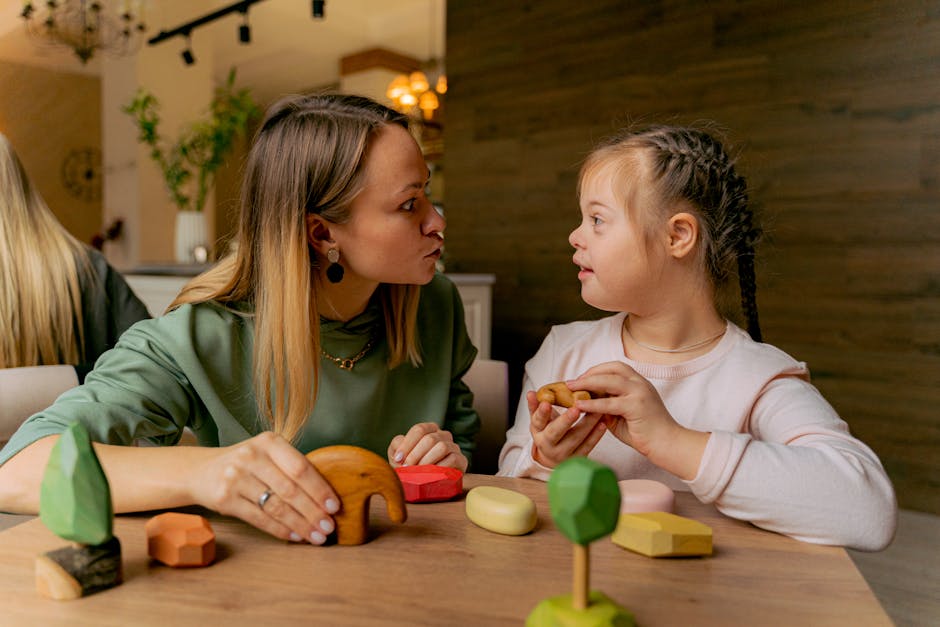
Socialization isn’t about control it’s about building trust. When your dog calmly approaches a new person or experience and shows curiosity instead of fear, that’s the moment to reward. Not with commands or pressure, but with a treat, a soft voice, or a few minutes of play.
Dogs learn faster and with more confidence when they associate new things with good outcomes. This means no yanking leashes or forcing interaction. Let your dog set the pace. If they hesitate or show signs of stress tail tucked, ears back, body rigid back off. You’re not trying to desensitize them through exposure. You’re trying to show them the world doesn’t have to be scary.
The goal here is simple: build a dog who trusts the process, because the process is fair and safe. That kind of confidence sticks.
Keep It Controlled, Not Chaotic
When it comes to socializing your dog, less chaos equals more success. Skip the free for all dog park especially in the early months. Instead, go for structured puppy classes or small, well managed dog playgroups. These settings are calmer and supervised, which means fewer chances of things going sideways.
Every social meetup should end on a good note. One bad experience can set you back weeks. Keep sessions short, positive, and under control. Let your dog observe first before jumping in. Watch for body language. If your dog looks tense or overwhelmed, it’s okay to leave early.
Also, avoid high stress spots like busy sidewalks or loud events when they’re just getting started. Stick to calm settings where your dog can build confidence slowly. Early vibes matter. Don’t rush it.
Keep Socializing Beyond Puppyhood
Socialization isn’t a one and done deal. Just because your dog made friends at six months doesn’t mean they’ll stay chill forever. Without regular exposure to new environments and situations, even well socialized dogs can slip back into fear, anxiety, or reactivity. It’s a use it or lose it game.
Adult dogs still need consistent, low pressure experiences to keep their social skills sharp. That could mean low key visits to pet friendly cafes, short walks near playgrounds, or stepping onto odd surfaces like metal grates and squeaky floors. Mix in encounters with all kinds of people kids with scooters, older adults with walkers, delivery folks with big bags. And don’t skip the loud stuff: traffic, sirens, the clatter of carts at the vet’s office.
These moments don’t have to be dramatic. Small, steady exposure builds a dog that rolls with life instead of getting shaken by it. Keep it ongoing, and keep it varied that’s how social confidence sticks.
Troubleshooting Common Issues
Even with the best prep, not every dog jumps into socialization ready to roll. Some need more patience. Others need clearer boundaries. Here’s how to handle the three common speed bumps:
Hesitant Dogs: If your dog seems nervous around new people or environments, don’t push. Let them observe from a distance. Give them time and space to process. Stay calm, keep your energy grounded, and use treats to build trust slowly. No rushing this is about building confidence, not testing it.
Overexcited Energy: Super bouncy dogs aren’t being bad they just lack impulse control. That’s trainable. Reinforce basic cues like “sit” and “wait” even in exciting situations. Keep sessions short and controlled. Practice calm greetings. Teach them that focus gets rewards, chaos gets ignored.
Aggressive Behavior: If your dog growls, lunges, or shows any signs of aggression, stop guessing. Get help. Working with a certified trainer early can prevent things from escalating. Aggression isn’t a phase it’s a signal. Read it, respect it, and respond with professional support.
Socialization isn’t one size fits all. Read your dog. Adjust your pace. And don’t go it alone when things feel off.
Socializing your dog isn’t a one and done event it’s an ongoing process. If you’re looking to do it right and skip the guesswork, it helps to tap into proven methods. For step by step breakdowns, expert strategies, and real world examples, check out this full guide on puppy socialization techniques. It’s packed with tips that actually work from introducing your pup to noisy streets, to managing their reactions around strangers. Start now, and give your dog the calm, confident foundation they deserve.
 Lead Pet Behavior Specialist
Brian Camacho is an expert in pet behavior and training at Pet Paw Shack. With a deep understanding of animal psychology, he specializes in helping pets and their owners build strong, healthy relationships through positive reinforcement techniques. Brian’s innovative approach to training focuses on making behavior modification a fun and rewarding experience for both pets and their families.
Lead Pet Behavior Specialist
Brian Camacho is an expert in pet behavior and training at Pet Paw Shack. With a deep understanding of animal psychology, he specializes in helping pets and their owners build strong, healthy relationships through positive reinforcement techniques. Brian’s innovative approach to training focuses on making behavior modification a fun and rewarding experience for both pets and their families.