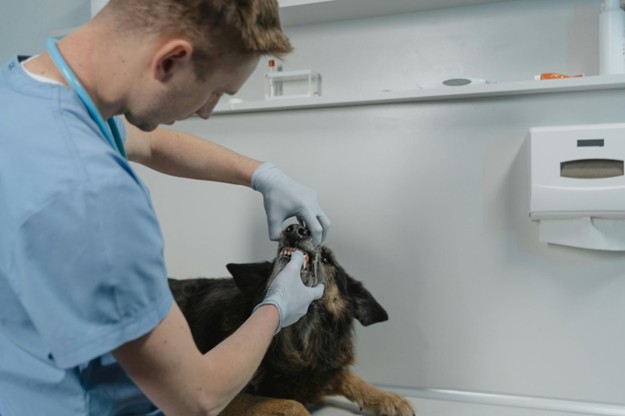
You’ve probably heard about the significance of brushing your pet’s teeth, but you might not realize just how vital it is for their overall health. Neglecting their dental care doesn’t just lead to bad breath; it can result in painful infections, costly emergencies, and even impact their organ health. As a dedicated pet owner, understanding the broader implications of oral hygiene will not only safeguard a happier pet but potentially save you from heartache and expense.
Understanding the Basics of Pet Oral Health
When it comes to your pet’s well-being, understanding the basics of oral health is essential for maintaining their overall health and happiness. You might not realize it, but plaque buildup is a common issue that, if left unchecked, can lead to tartar formation. This isn’t just about bad breath—it’s about preventing potential health issues. Plaque, a soft film of bacteria, can harden into tartar in as little as 48 hours. Once tartar forms, it can irritate your pet’s gums and lead to more severe problems. Regular brushing and affordable pet dental services play a pivotal role in minimizing these risks. You’re not just caring for your pet’s teeth; you’re safeguarding their overall health, ensuring they live a longer, happier life.
Common Dental Issues in Pets
As a responsible pet owner, understanding common dental issues is crucial for your furry friend’s health. Dental problems can cause significant discomfort and lead to more severe complications if left untreated.
- Tartar buildup: Plaque hardens into tartar, leading to irritation and infection.
- Gum recession: Often caused by tartar, it exposes tooth roots, making them vulnerable.
- Gingivitis: Inflammation of the gums, usually a precursor to more serious issues.
- Tooth fractures: Broken teeth can be painful and may require extraction.
- Periodontal disease: Advanced gum disease that can affect the jawbone if untreated.
Recognizing these issues early can help maintain your pet’s oral health and prevent unnecessary pain. Regular dental check-ups are essential for a happy, healthy pet.
The Link Between Oral Health and Overall Health
You might not realize it, but your pet’s oral health plays a vital role in their overall well-being. Bacteria from dental issues can enter the bloodstream, potentially affecting the heart and weakening the immune system. By keeping your pet’s mouth healthy, you help protect their entire body from serious health complications.
Bacteria Impact on Body
Although often overlooked, maintaining your pet’s oral health is crucial for their overall well-being, as the bacteria in their mouth can have far-reaching effects on their entire body. When bacteria buildup occurs, it doesn’t just stay confined to your pet’s mouth; it can enter the bloodstream, leading to systemic infections that impact essential organs. This isn’t something to be taken lightly—your pet’s health can decline rapidly if oral health issues are ignored.
- Bacteria buildup can lead to painful infections.
- Oral bacteria can spread to the kidneys and liver.
- Joint health may suffer due to inflammation.
- Your pet’s immune system can be weakened.
- Regular dental care can prevent systemic infection and enhance longevity.
Taking care of your pet’s teeth isn’t just about fresh breath—it’s about their health.
Heart Disease Connection
While it might surprise many pet owners, there’s a significant link between oral health and heart disease in pets. Poor dental hygiene can lead to chronic inflammation, which doesn’t just affect the mouth but can also increase heart disease risks. Bacteria from periodontal disease can enter the bloodstream, traveling to the heart and potentially damaging its tissues. This can lead to conditions like endocarditis, where the heart’s inner lining becomes inflamed. Such chronic inflammation can put stress on your pet’s cardiovascular system, increasing heart disease risks over time. By maintaining your pet’s oral health, you’re not just caring for their teeth but also playing an essential role in preventing serious heart conditions. Your diligence can secure a longer, healthier life for your furry friend.
Immune System Strength
Even though it might not be immediately obvious, oral health plays an essential role in bolstering your pet’s immune system and overall health. Dental issues can lead to chronic inflammation, which disrupts immune system modulation and affects your pet’s ability to maintain a balanced immune response. When your pet’s oral health is neglected, harmful bacteria can enter the bloodstream, impacting critical organs and weakening their natural defenses.
Consider the following:
- Healthy gums help prevent harmful bacteria from entering the bloodstream.
- Routine dental cleanings reduce inflammation and boost immune function.
- Balanced diet supports oral health, promoting a robust immune system.
- Regular check-ups detect dental issues early, preventing systemic health problems.
- Proper dental hygiene guarantees immune system modulation remains paramount.
Prioritize your pet’s dental care for a vigorous immune system.
Signs Your Pet May Have Dental Problems
You might notice your pet’s breath has taken on a persistent foul odor, which can be an early sign of dental issues. Additionally, keep an eye out for red, swollen gums as these can indicate inflammation or infection. Paying attention to these indicators will help you address potential problems before they affect your pet’s overall health.
Bad Breath Indicators
When your pet’s breath takes on an unpleasant odor, it’s more than just a nuisance; it can be an early indicator of dental issues that require attention. Odor changes and a foul mouth smell might signal underlying problems like plaque buildup or infection. Monitoring your pet’s breath is vital for early detection. Here are some indicators to watch for:
- Persistent bad breath that doesn’t improve with regular cleaning.
- Sudden changes in breath odor, which may suggest an emerging issue.
- Reluctance to eat hard foods, possibly due to discomfort.
- Excessive drooling, which can accompany dental distress.
- Pawing at the mouth, a sign your pet might be in pain.
Don’t ignore these signs; consulting your veterinarian can prevent further complications and maintain your pet’s oral health.
Gum Inflammation Signs
While monitoring your pet’s breath can alert you to potential dental issues, it’s equally important to recognize the signs of gum inflammation. Swollen gums often appear redder than usual and may bleed during feeding or play. You might notice your pet pawing at their mouth or showing discomfort while eating. Inflamed gums can lead to more severe dental problems if left untreated, impacting their overall health and well-being.
Pay attention to any changes in your pet’s eating habits or drooling patterns. If they seem reluctant to chew toys or kibble, it could indicate gum discomfort. Regularly inspect your pet’s mouth for these signs, and consult your veterinarian for guidance. Early detection of gum inflammation guarantees your pet stays healthy and happy.
The Cost of Neglecting Pet Dental Care
Although it might seem trivial compared to other aspects of pet health, neglecting dental care can lead to significant consequences for your furry friend. Ignoring your pet’s oral hygiene can result in costly veterinary dental procedures due to severe infections or periodontal disease. These treatments can be quite expensive, impacting your finances unexpectedly. The financial impact of dental neglect doesn’t just stop at the vet’s bill; it can lead to broader health issues requiring further treatment. Here are the potential costs of neglect:
- Increased veterinary bills due to advanced dental disease
- Costly tooth extractions or specialized dental surgeries
- Potential for systemic issues like heart or kidney disease
- Overall decline in your pet’s quality of life
- Unexpected financial burdens from emergency treatments
Taking pet dental care seriously saves both money and heartache.
Preventative Measures for Maintaining Pet Oral Health
To keep your pet’s oral health in top shape, it’s essential to establish a regular brushing routine, as this helps prevent plaque buildup and gum disease. Incorporating dental chews into their diet provides additional benefits by mechanically cleaning teeth and stimulating gums. Don’t underestimate the importance of professional cleanings; they allow for thorough examinations that can catch potential issues early, ensuring your furry companion’s mouth stays healthy and pain-free.
Regular Brushing Routine
A consistent brushing routine is crucial for maintaining your pet’s oral health and preventing dental issues. Employing proper brushing techniques guarantees that plaque and tartar are effectively removed, reducing the risk of gum disease. Start by choosing a pet-friendly toothbrush and toothpaste, and introduce brushing gradually to make it a positive experience.
- Gentle Approach: Use gentle circular motions to prevent discomfort.
- Positive Reinforcements: Reward your pet with treats or praise.
- Routine Timing: Aim for a quiet time when your pet is relaxed.
- Patience is Key: Allow your pet to get accustomed to the process.
- Consistent Schedule: Brush regularly, ideally daily, to build a routine.
Dental Chew Benefits
When incorporated into your pet’s daily routine, dental chews can play a significant role in maintaining their oral health. These chews work by mechanically reducing plaque and tartar buildup, making them an effective preventative measure for oral hygiene. It’s pivotal to select dental chews that are approved by veterinary professionals to verify dental chew safety. Look for products with the Veterinary Oral Health Council (VOHC) seal, which certifies their dental chew effectiveness. Always monitor your pet while they’re enjoying their chew to prevent any choking hazards. Additionally, choose the appropriate size and type for your pet’s specific needs and chewing habits. By incorporating safe and effective dental chews, you’re taking a compassionate step towards safeguarding your pet’s long-term oral health.
Professional Cleanings Importance
While at-home care is essential, professional cleanings are a pivotal component of maintaining pet oral health. You might not realize it, but professional cleanings go beyond what regular brushing can achieve. They’re key for removing tartar and plaque buildup, preventing periodontal disease, and ensuring your furry friend’s overall well-being. The professional cleanings frequency should be tailored to your pet’s specific needs, typically recommended annually. Here’s why professional cleanings are indispensable:
- Complete Tartar Removal: Eliminates hard-to-reach tartar that brushing misses.
- Disease Prevention: Identifies issues early, averting costly treatments later.
- Comprehensive Oral Exams: Thorough checks to catch hidden problems.
- Enhanced Pet Comfort: Reduces pain and discomfort from dental issues.
- Improved Breath and Health: Boosts your pet’s quality of life and longevity.
Diet and Its Role in Pet Dental Hygiene
Many pet owners might not realize that diet plays an essential role in maintaining their pet’s dental health. The texture of kibble is paramount; it can act as a natural tooth abrasive. When your pet chews crunchy kibble, it helps scrape away plaque and tartar, contributing to cleaner teeth. Opt for high-quality kibble specifically designed to support dental health, as these often incorporate ingredients that enhance the abrasive action.
In addition to kibble, consider incorporating raw vegetables like carrots, which can naturally aid in cleaning teeth. Avoid sugary treats that can exacerbate plaque buildup. As you evaluate your pet’s diet, prioritize options that promote oral hygiene. A balanced diet not only fosters overall health but also protects those pearly whites.
The Importance of Regular Dental Check-Ups
Although it might seem like an unnecessary chore, regular dental check-ups are essential for your pet’s overall well-being. They guarantee that any potential issues are caught early, providing remarkable dental health benefits. Dental cleanings during these check-ups help prevent tartar buildup, gum disease, and even tooth loss. Your pet’s mouth acts as a gateway to their overall health, and neglecting it can lead to more serious health problems.
Consider the benefits of regular dental check-ups:
- Prevention of Periodontal Disease: Early detection can prevent serious complications.
- Improved Breath: Say goodbye to unpleasant odors.
- Pain Management: Identifying issues early means less discomfort for your pet.
- Overall Health: A healthy mouth supports a healthy body.
- Longevity: Good dental care can extend your pet’s life.
Regular visits to your vet for dental cleanings can make a world of difference.
Home Dental Care Tips for Pet Owners
In addition to regular dental check-ups, maintaining your pet’s oral health at home is an essential part of their care routine. Start with selecting a toothbrush and toothpaste specifically designed for pets. Aim for a brushing duration of at least two minutes, ensuring you cover all surfaces. If brushing isn’t feasible daily, try at least a few times a week. Incorporate gentle flossing techniques using dental wipes or pet-specific flossers to reach areas a brush might miss. Be patient and use positive reinforcement to help your pet adjust. Remember, consistency is key. Regular home care not only prevents plaque buildup but also fosters a deeper bond with your pet, reflecting your commitment to their overall well-being.
Debunking Myths About Pet Dental Care
How often have you heard that pets don’t need dental care like humans do? This is a common myth that can lead to serious health issues for your furry friend. Many owners aren’t aware that neglecting pet dental care can cause pain and systemic infections. There’s also a misconception about cost, but investing in dental care can prevent more expensive treatments down the line.
Consider these myths debunked:
- Pet teeth are self-cleaning: False. Pets need regular brushing.
- Bad breath is normal: It’s a sign of dental disease.
- Dry food cleans teeth: Not adequately.
- Only older pets need dental care: Young pets benefit too.
- It’s too expensive: Preventive care is more affordable than treating advanced issues.
Be proactive in your pet’s dental health!
Frequently Asked Questions
How Do I Choose the Right Toothbrush for My Pet?
You should select a toothbrush with proper bristle softness to avoid gum irritation and guarantee it’s the ideal brush size for your pet’s mouth. Consult your vet to confirm you’re making the best choice for their dental health.
Are There Specific Toys That Help With Pet Dental Health?
Yes, there are specific toys like dental chew toys that help clean your pet’s teeth while they play. Dental cleaning treats also support oral health by reducing plaque and tartar, keeping your furry friend’s mouth healthy and fresh.
Can Bad Breath in Pets Indicate a Serious Health Issue?
Yes, your pet’s bad breath can signal serious health issues. Periodontal disease causes inflammation and pain, while dental plaque buildup implications include infections that might affect overall health. Regular dental check-ups are essential for prevention and treatment.
How Often Should I Brush My Pet’s Teeth at Home?
You should brush your pet’s teeth daily using a proper brushing technique to maintain their oral health. Establishing a daily brushing schedule helps prevent plaque buildup and dental issues. Remember, consistency and patience are key.
What Are the Benefits of Professional Pet Dental Cleanings?
You’ll find professional pet dental cleanings essential for reducing plaque buildup and improving gum health. These cleanings prevent serious dental issues, enhance your pet’s overall well-being, and guarantee their comfort. Trust experts to maintain your pet’s dental health.
 Founder & Pet Wellness Advocate
As the visionary founder of Pet Paw Shack, Kimberliene Sabinin is passionate about helping pet owners provide the best care possible for their furry companions. With a background in veterinary science and animal nutrition, Kimberliene brings years of experience in promoting pet health, safety, and well-being. Her mission is to empower pet owners with practical knowledge about proper nutrition, behavior training, and overall pet wellness.
Founder & Pet Wellness Advocate
As the visionary founder of Pet Paw Shack, Kimberliene Sabinin is passionate about helping pet owners provide the best care possible for their furry companions. With a background in veterinary science and animal nutrition, Kimberliene brings years of experience in promoting pet health, safety, and well-being. Her mission is to empower pet owners with practical knowledge about proper nutrition, behavior training, and overall pet wellness.