
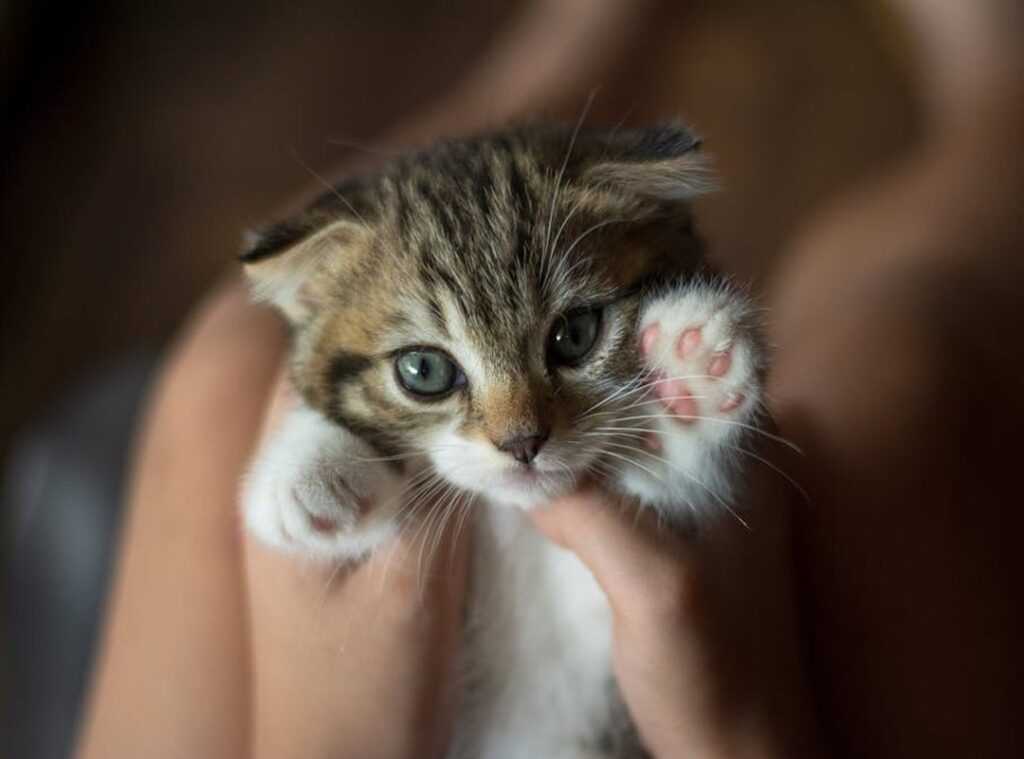
That first night home with your kitten? It’s equal parts magic and panic.
You’re smiling. You’re googling. You’re second-guessing every choice you just made.
Does that sound familiar?
I’ve seen it a hundred times. New owners clutching printed lists, refreshing forums at 2 a.m., terrified they’ll mess up before the kitten even naps.
There’s too much noise out there. Too many conflicting opinions. Too much pressure to be perfect.
This isn’t about perfection. It’s about clarity.
The Infoguide for Kittens Llblogpet cuts through all that. No fluff. No jargon.
You’ll learn exactly how to prep your space, what to feed, when to see the vet, and how to handle litter and scratching. Step by step.
I’ve guided real people through this. Not theory. Not trends.
Just what works.
And you’ll walk away knowing your kitten is safe, fed, and loved. Starting today.
Step 1: Your Kitten’s First Safe Zone
I set up the safe room before the kitten arrives. Not after. Not while they’re already stressed in a box.
You need a quiet, small space. A bathroom or spare bedroom works. Just one room.
No exceptions.
It must have all the essentials. Nothing extra. Nothing distracting.
Here’s your Kitten Starter Kit:
- Litter box (open-top, unscented clay or paper-based litter only)
- Two shallow bowls (stainless steel or ceramic. No plastic)
- High-quality kitten food (look for AAFCO “for growth” on the label)
- A soft, washable bed (no loose threads or stuffing)
- Scratching post (sisal rope, not carpet)
- Three safe toys (nothing with strings, bells, or tiny parts)
- Carrier (hard-sided, with ventilation. Not a tote bag)
That’s it. Skip the fancy tunnels and laser pointers. They’ll just panic.
The safe room stays just for them for 3. 5 days. No guests. No dogs.
No kids barging in.
You sit on the floor. You read a book. You let them come to you.
Kitten-proofing isn’t optional. It’s urgent.
I taped every loose wire to the baseboard. Tied blind cords up high. Out of paw’s reach.
Removed my peace lily, tulips, azaleas, and philodendron. All toxic. All common.
All deadly if chewed.
Window screens? I pushed on each one. Hard.
If it budged, I replaced it.
Do not assume your home is safe. It isn’t. Kittens climb, squeeze, and chew things you forgot existed.
For more practical, no-nonsense tips like this, check out the Pet advice llblogpet 3 section.
The Infoguide for Kittens Llblogpet covers this exact setup (but) skip the fluff and go straight to the checklist.
You’ll thank yourself when your kitten eats, uses the box, and sleeps (all) in the first 24 hours.
Not every kitten does that.
Step 2: Feed Them Like They Mean It
Kittens burn energy like tiny furnaces. I’ve watched my own litter go from wobbly blobs to full-speed missiles in six weeks (and) they need that fuel.
They require more protein and more calories per pound than adult cats. Not a little more. A lot it.
Wet food? Yes. It’s water-rich, easy to chew, and packed with animal-based protein.
Dry food? Fine as a supplement (but) it won’t hydrate them. And no, “crunchy = healthy teeth” is not how cat dentistry works.
(Most cats don’t chew kibble long enough to get dental benefits.)
I feed a mix: wet in the morning and evening, dry available midday. Not because it’s perfect. But because it balances hydration and convenience.
Under 4 months? Feed 3. 4 small meals a day. Their stomachs are the size of walnuts.
At 4 (6) months? Drop to 2. 3 meals. Watch their body shape.
If ribs disappear and hips round out, you’re on track.
Don’t free-feed. Kittens don’t self-regulate well. Overfeeding leads to joint stress later.
Water must be fresh and available all day. Bowls near food? Nope.
Cats avoid that. Put water in a separate quiet spot. Ceramic or stainless steel only (plastic) leaves a taste.
Here’s what you absolutely must not feed them: onions, garlic, chocolate, grapes, raisins, alcohol, xylitol, or dog food. (Yes, dog food. It lacks taurine (and) yes, that’s why your kitten could go blind.)
The Infoguide for Kittens Llblogpet lays this out cleanly. No fluff, no filler.
Skip the fancy supplements. Stick to AAFCO-approved kitten food. That’s it.
If your kitten skips two meals in a row? Call your vet. Not tomorrow.
Now.
First Vet Visit: Don’t Wait
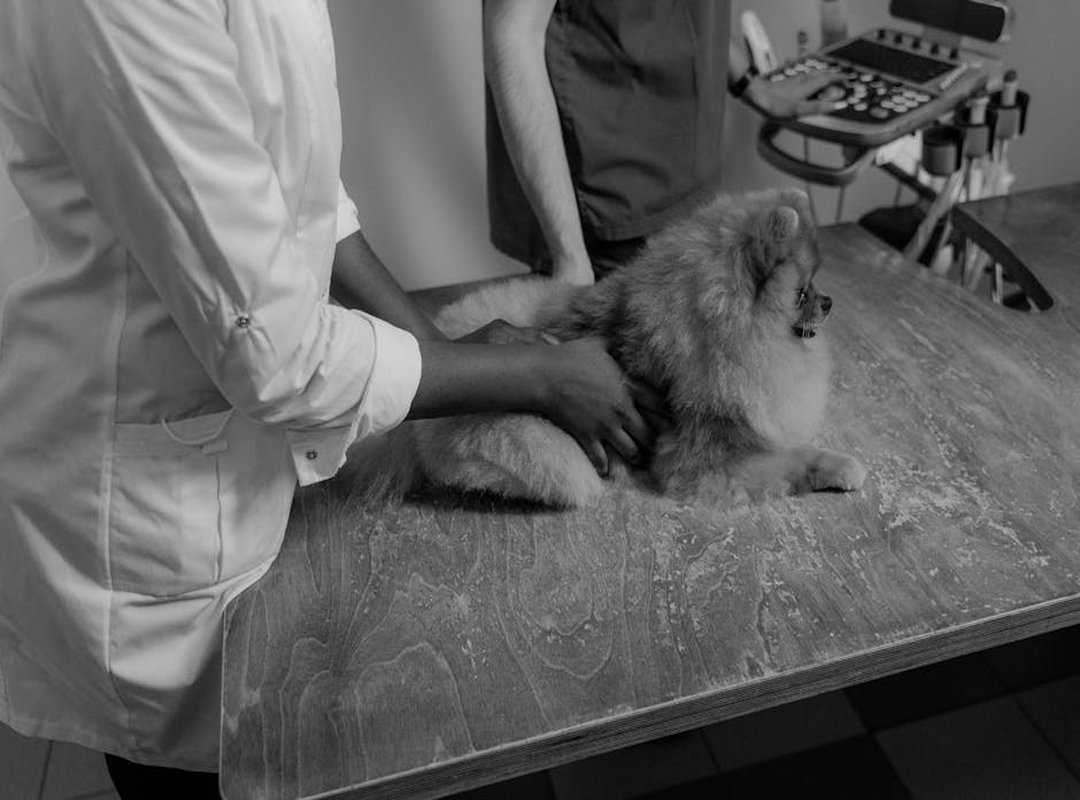
I took my first kitten to the vet on day four. Not day ten. Not after I thought she looked fine.
You should too. Week one is non-negotiable.
That first visit isn’t about paperwork. It’s about catching trouble before it hides.
They’ll listen to her heart. Check her eyes and ears. Feel her belly.
Look at her gums. And yes (they’ll) check for worms. (Most kittens have them.
Even the cute ones.)
Deworming happens now. Not later. Not “if she seems off.”
Vaccines start early. FVRCP (that’s) the big one for upper respiratory and distemper. Begins at 6. 8 weeks.
Rabies comes later, usually at 12. 16 weeks. Your vet will tell you the exact dates. Stick to them.
Skipping a shot doesn’t save time. It just leaves gaps.
Spaying or neutering? Do it around 5 (6) months. Not earlier.
Not later. This timing cuts cancer risk, stops spraying, and prevents litters no one asked for.
Fleas jump on fast. Ear mites hide deep. Neither waits for an invitation.
Ask your vet about prevention. Not “what do you have?” (ask) “what’s safe for her weight and age?”
Some over-the-counter stuff kills cats. Seriously.
I learned that the hard way. (Spoiler: it involved a $400 emergency visit and a very quiet apartment for three days.)
The Infoguide for Kittens Llblogpet lays out the full vaccine and parasite schedule in plain English. No jargon. Just dates and doses.
Skip the guessing.
Go to the vet. Get the dewormer. Start the shots.
Ask about prevention. By name.
That’s it. No fluff. No “maybe.”
Just do it.
Step 4: Play, Paws, and Positive Habits
I messed this up with my first kitten. Thought “she’ll figure it out.” She didn’t. Not really.
The socialization window is real (3) to 9 weeks. Miss it, and shyness or fear can stick around for life. Not because your cat is broken.
Because her brain stopped wiring for novelty.
Keep the litter box clean. Not “clean enough.” Clean. Scoop twice a day. Put it where she won’t get ambushed by the vacuum or startled by slamming doors.
Scratching isn’t bad behavior. It’s biology. Give her a post before she ruins your couch.
Rub catnip on it. Dangle a toy near it. Praise like you just won the lottery.
Play every single day. Not five minutes. Ten to fifteen.
Use a wand toy. Move it like prey (not) like you’re bored. This burns energy and teaches her hands aren’t chew toys.
You’ll notice less biting. Less midnight zoomies. More naps in your lap.
This isn’t about perfecting kittenhood. It’s about building trust before language kicks in.
If you’re raising a dog too, the same principles apply. Just louder and slobberier. Check out the this guide for how that version plays out.
The Infoguide for Kittens Llblogpet covers all this. But skip the fluff and go straight to the habit charts.
You’re Ready to Raise That Kitten Right
I’ve been there. Hands shaking while holding a tiny, blinking ball of fluff.
You worried you’d miss something big. That you’d mess up before you even knew what “right” looked like.
You didn’t. Not anymore.
The Infoguide for Kittens Llblogpet gave you the four things that actually matter: a safe home, real food, smart health moves, and training that builds trust. Not fear.
No more guessing. No more panic at 2 a.m. over litter box questions.
This isn’t theory. It’s what works.
You’ve got this.
Now go enjoy building that incredible bond with the newest member of your family.
 Lead Pet Behavior Specialist
Brian Camacho is an expert in pet behavior and training at Pet Paw Shack. With a deep understanding of animal psychology, he specializes in helping pets and their owners build strong, healthy relationships through positive reinforcement techniques. Brian’s innovative approach to training focuses on making behavior modification a fun and rewarding experience for both pets and their families.
Lead Pet Behavior Specialist
Brian Camacho is an expert in pet behavior and training at Pet Paw Shack. With a deep understanding of animal psychology, he specializes in helping pets and their owners build strong, healthy relationships through positive reinforcement techniques. Brian’s innovative approach to training focuses on making behavior modification a fun and rewarding experience for both pets and their families.