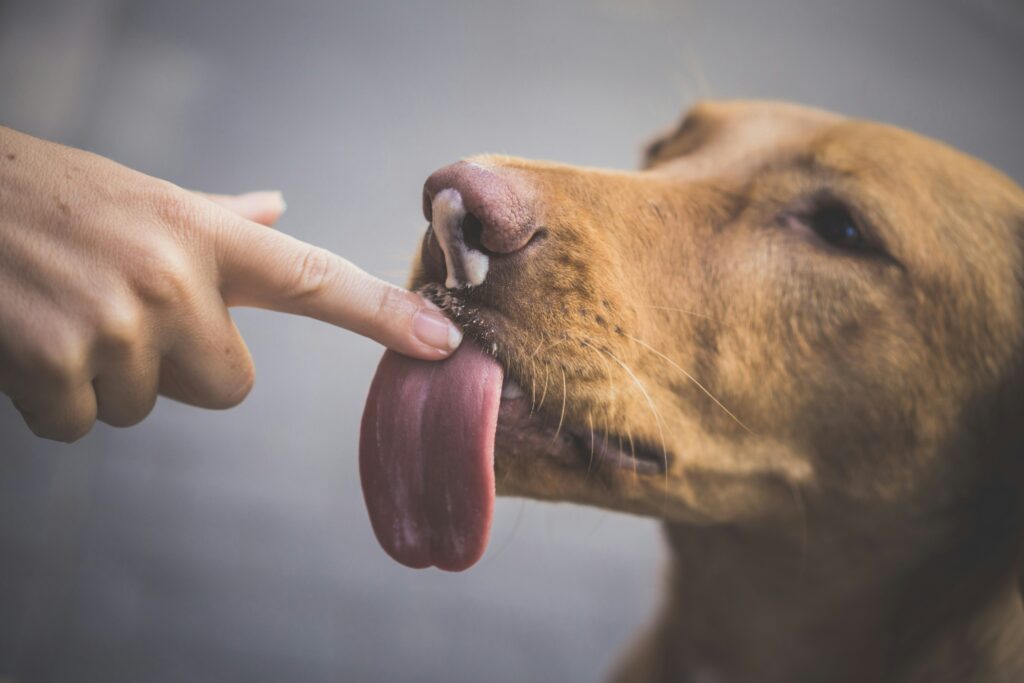
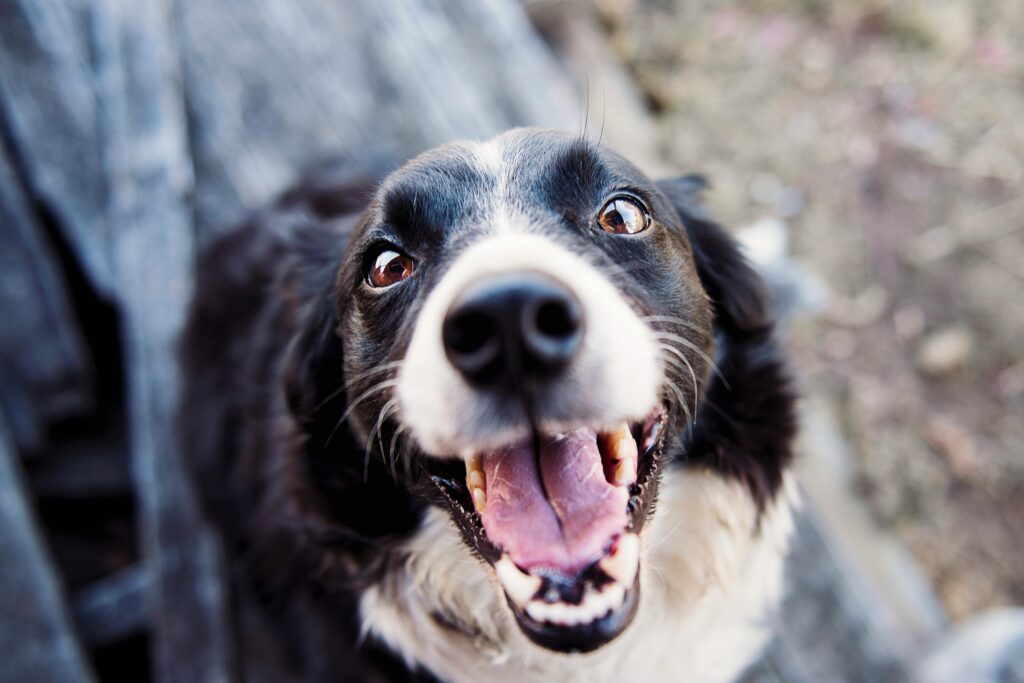
Dogs have a rhythm to their days. They stretch, nap, groom themselves, play, and repeat the same small actions without much thought. These habits often feel comforting to watch. They remind us that dogs live simply and stay present. Still, some behaviours deserve a closer look. What seems normal at first can slowly change in frequency, intensity, or purpose.
When a habit starts to look excessive or is paired with other changes, it can quietly signal discomfort. Therefore, learning the difference helps owners respond with care instead of worry.
Below are common daily dog behaviours, explained with balance. Each one begins as normal. Each one also has moments when it becomes worth attention.
1. Paw Licking: Comforting Grooming That Can Cross a Line
Paw licking is one of the most common behaviours dog owners notice. In its normal form, it is simple grooming. Dogs lick their paws to remove dirt, clean small cuts, or soothe mild irritation after a walk. Many dogs do this briefly before resting, especially in the evening.
However, according to a guide on why do dogs lick their paws from industry experts like MedcoVet, problems start when paw licking becomes frequent or obsessive. Licking the same paw every day, for long periods, or until redness appears, should not be ignored. It can signal hidden pain, skin irritation, or inflammation that needs proper assessment.
When these underlying concerns are present, they need to be addressed directly rather than managed with surface-level care. To support this, some owners now use red light therapy tools, which are designed to help improve circulation and calm inflamed tissue. These tools are often used at home as part of a gentle care routine, especially for ongoing discomfort.
Alongside this, additional support may include allergy management, skin-soothing care, or behavioural techniques that reduce stress and irritation. Addressing the root cause early helps prevent infections and limits the strain caused by constant licking.
2. Scratching and Chewing: Normal Itch Relief That Can Escalate
Every dog scratches. It is part of skin maintenance and sensory response. A quick scratch after rolling on grass or waking up is harmless. Seasonal dryness can also increase scratching temporarily, especially during weather changes.
Concern begins when scratching becomes constant or aggressive. Dogs that chew their skin, rub against furniture, or whine while scratching are often reacting to something deeper. Fleas, mites, food sensitivities, and fungal issues are common triggers.
Watch for physical changes. Hair thinning, scabs, or thickened skin often appear after prolonged scratching. Behavioural changes matter too. Dogs may avoid touch or become irritable because itching never truly stops.
Scratching becomes a warning sign when relief never comes.
3. Tail Chasing: Playful Energy or Emotional Overflow
Tail chasing is often playful, especially in puppies. Young dogs explore movement and react to fast motion with curiosity. Occasional spinning during excitement or playtime is usually harmless.
In adult dogs, repeated tail chasing can signal boredom or excess energy. Dogs without mental stimulation sometimes create their own entertainment. Anxiety can also drive the behaviour, especially in dogs left alone for long periods.
The concern lies in repetition without purpose. Tail chasing that happens daily, lasts several minutes, or leads to injury suggests stress or compulsion. Dogs may seem disconnected during episodes, ignoring commands or surroundings.
Mental enrichment often reduces this behaviour quickly, which helps confirm the cause.
4. Changes in Sleep Patterns: Rest or Retreat
Dogs sleep a lot. Long naps and deep rest are normal, especially for older dogs. Activity levels naturally shift with age, weather, and routine changes.
Sudden sleep changes deserve attention. Dogs that sleep far more than usual, avoid interaction, or seem restless at night may be reacting to pain or discomfort. Emotional withdrawal can also increase sleep as a coping response.
Pay attention to quality, not just quantity. Restless pacing, frequent waking, or hiding during sleep hours often signals unease. Sleep changes rarely stand alone. They usually appear with appetite changes or mood shifts.
Sleep becomes a signal when it no longer restores energy.
5. Eating Changes: Appetite as a Daily Signal
Dogs can be picky at times, and that usually isn’t a reason to worry. Skipping a meal, eating more slowly, or showing less interest in food can happen during hot weather, after routine changes, or with mild stomach discomfort.
Many dogs also eat less when they feel tired or overstimulated. Concern starts when these changes last longer than a few days. Ongoing loss of appetite, sudden overeating, or refusing favourite foods may point to digestive trouble, dental pain, or emotional stress.
Weight loss or gain often follows quietly. Eating habits reflect how a dog feels inside. When food patterns change, the body or mind is usually asking for attention.
Conclusion
Daily habits tell stories. One behaviour alone rarely signals trouble. The concern grows when habits repeat, intensify, or cluster with other changes. Dogs rely on consistency, and disruption often shows in small actions first.
Paying attention does not mean assuming the worst. It means noticing patterns early and responding gently. Awareness builds trust, reduces stress, and helps dogs feel supported before problems grow.
Most habits remain harmless. Some quietly ask for help. Listening makes all the difference.
 Lead Pet Behavior Specialist
Brian Camacho is an expert in pet behavior and training at Pet Paw Shack. With a deep understanding of animal psychology, he specializes in helping pets and their owners build strong, healthy relationships through positive reinforcement techniques. Brian’s innovative approach to training focuses on making behavior modification a fun and rewarding experience for both pets and their families.
Lead Pet Behavior Specialist
Brian Camacho is an expert in pet behavior and training at Pet Paw Shack. With a deep understanding of animal psychology, he specializes in helping pets and their owners build strong, healthy relationships through positive reinforcement techniques. Brian’s innovative approach to training focuses on making behavior modification a fun and rewarding experience for both pets and their families.