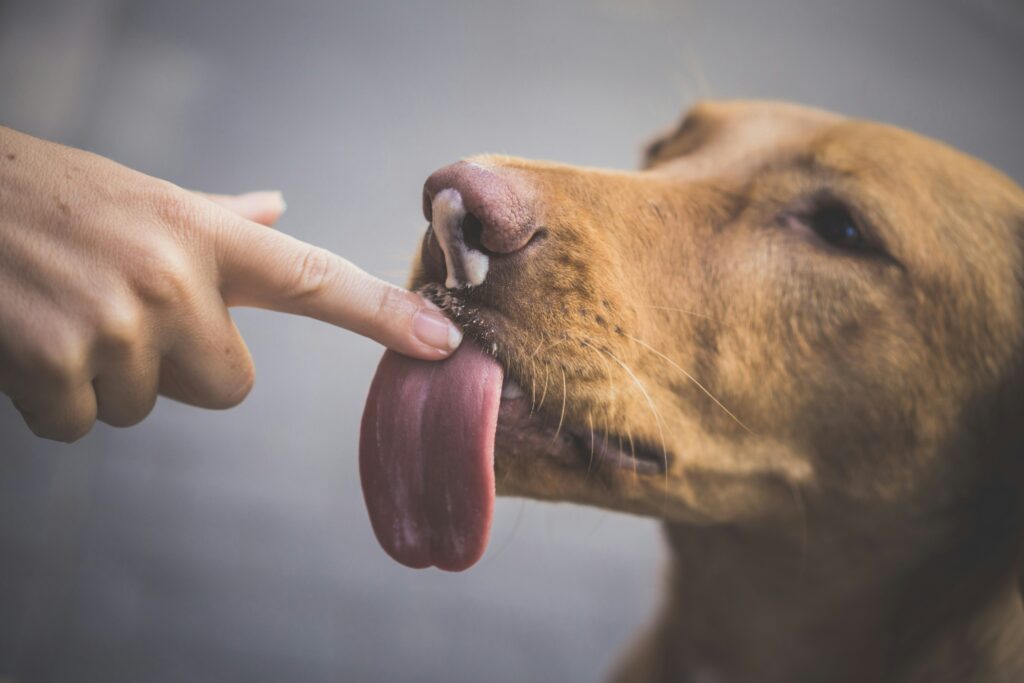

Start With Trust, Not Commands
Before teaching a rescue pet to sit, stay, or come, you need to build something deeper: trust. Training rooted in patience and safety sets the tone for long term success.
Why Trust Comes First
Rescue pets have often faced uncertain or traumatic experiences. Unlike pets raised in stable homes, they may need time to feel safe enough to learn.
Trust allows your pet to focus, not fear
It lays the groundwork for every future cue and behavior
A fearful animal can’t learn effectively, no matter how many treats you offer
How to Read Their Body Language
Understanding your rescue pet’s emotions helps you avoid setbacks and progress with care.
Look for these subtle cues:
Eyes: Soft or blinking eyes often indicate calmness, while wide or darting eyes can mean fear
Ears: Ears pinned back or constantly flicking show discomfort
Tail: A low, tucked tail may signal anxiety; a loose, gently wagging tail shows comfort
Body posture: Frozen, crouched, or overly jumpy movements point to stress
Respond gently when you notice signs of stress. Avoid pushing too hard your goal is to build confidence, not compliance.
Create a Safe, Consistent Space
Day one is critical. Your home should feel predictable, quiet, and inviting. Set routines and environmental cues that foster calm.
Start with:
Designated safe zone: A crate, pen, or room where your pet can retreat when overwhelmed
Predictable daily schedule: Feedings, walks, and bedtime routines should happen at similar times
Minimal chaos: Avoid loud noises or changes in rooms during the early weeks
Consistency tells your pet that you’re dependable one of the fastest paths to trust.
Building trust isn’t about being passive. It’s about being intentional, observant, and kind. Only after laying this foundation will training truly begin to work.
Understand Their Past, But Train For The Present
Rescue pets often come with a backstory and not always a good one. Fear, reactivity, and resource guarding are common leftovers from tough situations. A dog might lash out on a leash. A cat might growl when approached during feeding. These aren’t personality flaws they’re learned survival tactics.
Progress with a rescue isn’t linear. Some days you’ll feel like you’re crushing it. Other days, one small trigger sends everything backward. That’s normal. Keep your expectations tight and your patience long. It’s a marathon, not a quick fix.
The key? Positive reinforcement. Reward what you want to see more of. Ignore what you can safely ignore. Correct gently when needed, but never with fear or force. Punishment doesn’t build trust it just confirms your pet’s old fears.
Be consistent, calm, and kind. Over time, behavior will shift but only when your rescue learns they’re finally safe.
For tactical help with these common issues, check out this guide: In depth strategies for rescue pet training.
Set Clear Routines
Structure isn’t just for discipline it’s how rescue pets feel safe. When every day looks different, their world stays unpredictable, and unpredictability feeds anxiety. Routines are how you quietly say, “You’re safe here. This is your home now.”
Start simple. Regular feeding times. Scheduled potty breaks. Built in quiet hours where everything slows down no training, no visitors, no chaos. These small details build consistency. For a rescue animal, that kind of rhythm is calming. It gives them a sense of control, even if it’s just knowing that food shows up at the same time every day.
And yes, things will go wrong. You’ll miss a walk. The doorbell will ring during nap time. Life happens. But when the bones of the routine are strong, your pet can bounce back faster. Predictability doesn’t fix trauma, but it makes all the healing work feel safer. Every repeatable piece of their day becomes a signal: this place is steady. This place doesn’t hurt.
Socialization: Go At Their Pace

For rescue pets, the world can be loud and unpredictable. That barking dog down the street, the neighbor’s kids, even the sound of a vacuum these things might feel overwhelming at first. The key? Don’t flood your pet with stimulation. Instead, guide them back into the world slowly and on their terms.
Start small. Begin with environments they already feel safe in. Let your pet observe new people or animals from a distance. Watch their body language if they tense, back off. If they stay calm and curious, take a step closer. Gentle desensitization builds confidence over time.
Balance is the name of the game. Push too fast and you risk setting them back. Go too slow and progress stalls. Use tools to support the process: calming chews for anxiety, crates as a safe retreat, or designated quiet spaces where they can reset. Always pair exposure with positive experiences treats, praise, or just a calm moment with you.
It’s less about checking boxes and more about rebuilding trust in the outside world. Let them set the pace and keep showing up.
Smart Training Tactics That Work
Start simple. Rescue pets don’t need to master a long list of commands right away. What they do need are three basics: “sit,” “stay,” and “come.” These build structure, create safety, and open the door to more advanced communication. Plus, these commands are practical in daily life think: greeting guests at the door, pausing before crossing a street, or calling your pup back from a distraction.
To teach them well, you need two things: high value treats and timing. Skip the dry kibble use something your pet actually wants to work for. Pair that with a clicker (or a consistent verbal cue like “yes”) to mark good behavior the second it happens. This makes it crystal clear what you’re asking for. Fast reward, faster learning.
Not every pet learns at the same pace. If you’re hitting walls reactivity, fearfulness, or no progress it’s time to bring in a pro. Certified trainers who specialize in rescue behaviors can spot blind spots and give you a personalized plan. This isn’t failure it’s leveling up.
And when your pet is ready? You can go farther: impulse control games, place training, even nose work to boost confidence. The next phase gets easier with a strong base in place. For a deeper dive, check out the guide to rescue pet training.
Celebrate Wins (Even Tiny Ones)
Training a rescue pet isn’t a straight line it’s a climb, with a lot of small steps. Sometimes it’s three steps forward, one step back. That’s normal. What makes the difference over time is showing up every day. A little progress a shorter bark session, a calmer leash walk, a successful sit that’s where the real change lives. Don’t wait for perfection; it doesn’t show up all at once.
Bonding is the fuel behind behavior change. Play, gentle praise, slow walks without pressure these are the moments that tell your pet they’re safe with you. And when they trust you, they learn faster, stay calmer, and respond better to guidance. No training method works without that bond.
Life gets messy. Work piles up. Sleep is short. But staying consistent, even with the basics, is what sticks. Feed at the same time. Keep your commands clear. Don’t skip the praise when they get it right. Routines tell your pet what to expect, and that predictability is what helps them feel secure. When things get busy, do less if you have to but stay present, steady, and kind. That’s how training turns into real connection.
Final Thoughts: Lead With Patience
Every Pet Has a Different Story
There is no universal formula when it comes to rescue pet training. Each animal brings its own history, personality, and pace of learning. Some may warm up quickly, while others take weeks or months to feel truly safe.
Take time to observe your pet’s unique needs
Respect their boundaries while gradually building confidence
Don’t compare your progress to others your journey is your own
What Matters Most
While techniques and tools help, it’s the mindset that makes the biggest difference. Progress stems from the kind of relationship you build, not just the commands you teach.
Focus on:
Empathy: Understand where your pet is coming from
Consistency: Use clear routines and reactions so they know what to expect
Time: Trust isn’t built overnight give the relationship space to grow
The Ultimate Reward
Training a rescue pet is a marathon, not a sprint. But every small breakthrough a relaxed tail wag, a quiet nap beside you, a moment of calm in a former trigger situation is a reminder that the effort is worth it.
A deeper bond and mutual trust
A peaceful and secure home environment
A companion who feels loved and truly seen
End your training sessions and your entire approach with patience. In doing so, you’ll not only help your rescue pet thrive, but you’ll also grow as a more compassionate and mindful pet parent.
 Veterinary Advisor & Health Expert
Anthony Brooks is the in-house Veterinary Advisor at Pet Paw Shack, offering expert advice on pet health, disease prevention, and general veterinary care. With years of experience as a licensed veterinarian, Anthony helps guide pet owners through essential topics like vaccinations, routine checkups, and emergency care. His commitment to keeping pets healthy ensures that Pet Paw Shack delivers trusted and accurate medical insights.
Veterinary Advisor & Health Expert
Anthony Brooks is the in-house Veterinary Advisor at Pet Paw Shack, offering expert advice on pet health, disease prevention, and general veterinary care. With years of experience as a licensed veterinarian, Anthony helps guide pet owners through essential topics like vaccinations, routine checkups, and emergency care. His commitment to keeping pets healthy ensures that Pet Paw Shack delivers trusted and accurate medical insights.