
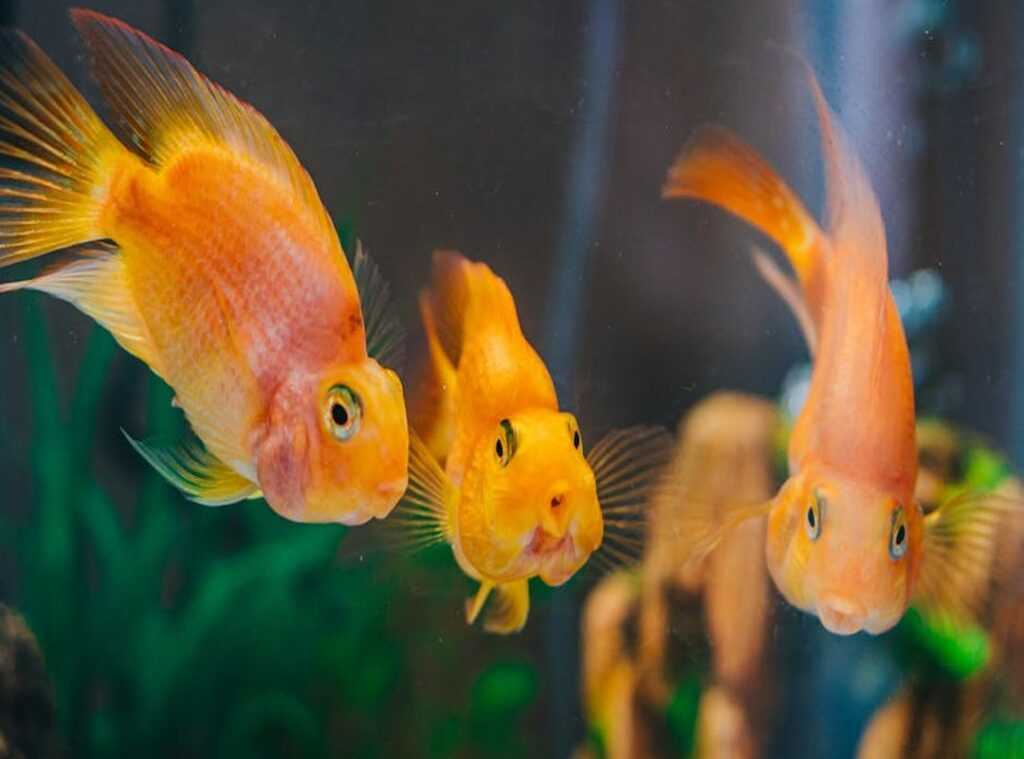
You brought home that betta. You named it. You bought the cute little castle.
Then you watched it hover near the surface, gills flaring, and thought: What did I just do?
I’ve seen it a hundred times. People who love their fish but don’t know ammonia from nitrate. Who feed twice a day because the box says so.
Even though their tank’s half the size recommended.
Aquatic pets don’t scream when something’s wrong. They fade. They stop eating.
They hide. And most of the time? It’s avoidable.
I don’t guess. I use AQUA guidelines. I cross-check with veterinary aquaculture resources.
I’ve watched what happens in real tanks. Not textbooks (over) years of hands-on observation.
This isn’t theory. It’s what works. In actual living rooms.
With tap water and budget filters.
No jargon. No vague “maintain good water quality” nonsense. Just clear steps for feeding, cycling, testing, and spotting trouble before it kills.
You want to keep your fish alive.
Not just surviving. But swimming, exploring, thriving.
That starts with knowing what actually matters.
And that’s exactly what you’ll get here.
Llblogpet Advice for Fish
Tank Setup: Skip the Fluff, Start Right
I set up my first tank with a 2-gallon bowl. My betta died in 11 days. Don’t do that.
Minimum tank size isn’t about looks. It’s about survival.
One betta needs at least 5 gallons. Goldfish? 20+ gallons.
Not 10. Not “maybe.” 20. They produce waste like tiny sewage plants.
The nitrogen cycle isn’t magic. It’s bacteria eating poison. Ammonia comes from fish waste and rotting food.
It burns gills. Nitrite is what bacteria turn ammonia into. Still toxic.
Nitrate is the end product (harmless) at low levels. You’ll test all three.
Use liquid test kits. Not strips. Strips lie.
(I tested both side-by-side. Strips missed an ammonia spike twice.)
Here’s your 3-week plan:
Week 1: Fill tank, run filter, add ammonia to 2 ppm. Test daily. Week 2: Ammonia drops.
Nitrite rises. That’s good. Keep dosing ammonia.
Week 3: Nitrite crashes. Nitrate appears. Now you’re ready.
If ammonia spikes mid-cycle? Stop dosing. Do a 50% water change.
Wait.
Sponge filters work for small tanks. Low flow. Huge surface area for bacteria.
Hang-on-backs suit 10. 40 gallon tanks. Reliable. Easy to clean.
Canisters? Overkill unless you’ve got 55+ gallons or messy eaters.
“Instant cycle” products are placebo pills for anxious fishkeepers. Bacteria need time. No shortcuts.
No hacks.
You want real help? Pet Advice Llblogpet walks through each test result. What it means, what to fix.
Llblogpet Advice for Fish isn’t theory. It’s what kept my second tank alive. And my third.
Feeding Smarter: Not Guesswork, Just Fish Food Rules
I feed my fish twice a day. Two flakes per inch of body length. No more.
If you’re eyeballing it? You’re overfeeding. That’s why 70% of beginner tank crashes start with food on the gravel.
Overfeeding rots. It spikes ammonia. It clouds water before you even notice the algae.
Carnivores like bettas need protein. No filler carbs. Omnivores like guppies handle variety.
Herbivores like plecos need fiber, not fat.
I use Fluval Bug Bites for carnivores. Omega One Tropical Flakes for omnivores. Hikari Algae Wafers for herbivores.
(Yes, I’ve tried the cheap stuff. It clouds the tank in 12 hours.)
Live or frozen is fine (if) it’s clean. Brine shrimp. Daphnia.
Blackworms. All good.
Never feeder fish. They carry disease. It’s not worth the risk.
(Ask me how I lost three tetras to one goldfish.)
Fast your adults one day a week. Their guts need rest. So does your filter.
Here’s the real test: If food sinks and sits after two minutes? You’ve overfed.
That’s your visual cue. No apps. No scales.
Just watch.
Llblogpet Advice for Fish says: measure, don’t pour.
And if you’re still guessing? Stop. Grab a tiny measuring spoon.
Use it for one week.
You’ll see the difference in water clarity by day three.
Water Quality Isn’t Magic. It’s Math and Muscle
I test ammonia and nitrite weekly in new tanks. Not every other week. Not “when I remember.” Weekly.
Established tanks? Monthly. But if a fish acts weird, I test that day.
Nitrates? Biweekly. Every single time.
No exceptions.
Dechlorinating tap water isn’t about dumping a capful into the bucket and hoping. I dose by volume. Every time.
A 5-gallon tank gets 5 gallons’ worth (not) one drop for the whole batch. (Yes, I’ve seen people do that.)
Sodium-based conditioners? Skip them in shrimp tanks. They raise conductivity.
Shrimp don’t care about your good intentions. They care about dying.
Freshwater tropicals like pH 6.8 (7.8.) Coldwater fish handle 7.0 (8.4.) Invertebrates? Stick to 7.0. 7.6. But here’s what matters more: stability.
Swinging pH 0.3 points daily is worse than holding at 7.9.
Untreated wood leaches tannins. And sometimes heavy metals. Copper from old pipes or leftover medication kills shrimp instantly.
Phosphates build up from rotting plants or too many fish. I’ve tested it.
My 15-minute weekly checklist: vacuum substrate, wipe algae, check filter intake for clogs, log all parameters.
That’s it. No fluff. No guessing.
You’ll find the full version of this routine (and) why each step matters. In the Pet advice llblogpet guide.
Llblogpet Advice for Fish is the only thing I trust for real-world tank data.
Spot the Trouble Before It Spreads

I watch fish every day. Not for fun (for) warning signs.
Clamped fins? That’s not just shyness. That’s stress.
Rapid gilling at the surface? Your fish is gasping. Not resting.
Gasping.
Lethargy during their active hours? Tetras hiding at noon means something’s wrong. Corydoras sitting on the bottom at dawn?
Totally normal.
White spots not in clusters? That’s early ich. Not a maybe.
A countdown.
Sudden hiding (especially) shrimp or frogs vanishing overnight? That’s your emergency bell.
Glass surfing in bettas? That’s panic. Not personality.
Here’s what I do: grab a clean 5-gallon tank. No substrate. No plants.
Just heater, sponge filter, and water from the main tank.
Change 25% daily. No exceptions.
Treatments? Seachem ParaGuard works. API Stress Coat helps.
Fritz Aquatics Multi-Cure is safe.
Avoid copper. Avoid malachite green. Avoid anything labeled “for scaleless fish only” (it) lies.
I go into much more detail on this in Infoguide for Cats Llblogpet.
If you see one red flag for over 24 hours: test water first. Fix ammonia or nitrite before dosing anything.
Stable water? Watch 48 more hours. Then treat.
Llblogpet Advice for Fish says: act fast, but never skip the test.
You already know this isn’t just about fish. It’s about paying attention.
Long-Term Fish Wellness: Not Just Longer. Better
I keep live plants like java fern and anubias. They cost next to nothing. They give fish places to hide, graze, and explore.
Driftwood and smooth rocks change the layout. Fish notice. They swim differently.
Gentle water movement matters too. Not a hurricane in there (just) enough flow to keep gills happy and algae off glass.
They behave differently.
Here’s where people mess up: angelfish with neon tetras. Angelfish see neons as snacks. Not tankmates.
Same with tiger barbs + guppies (nipping) and male bettas + any flashy finned fish (stress = death).
Lighting? Stick to 8. 10 hours. No more.
Circadian rhythms crash without it. Fungal outbreaks spike when lights run wild.
Overcrowding kills slow. UV sterilizers help in disease-prone tanks. And replace filter media yearly (not) just rinse it.
Bettas live 5+ years when you do this right. Not 2. 3.
That’s why I trust Llblogpet advice for fish. It skips the fluff and tells you what actually moves the needle.
One Change Changes Everything
Your fish won’t tell you when something’s wrong. They just stop moving. Or fade.
Or vanish.
That silence is why Llblogpet Advice for Fish isn’t nice-to-have. It’s the only thing standing between stable water and a dead tank.
You don’t need to overhaul everything today. Just test your water. Right now.
Or skip one feeding. Or clean the filter sponge (not) next week. Today.
One action breaks the cycle of guessing. It lowers ammonia before it spikes. It buys time you didn’t know you had.
Most people wait until the glass looks cloudy. Or the fish gasp at the surface. That’s not care.
That’s triage.
You already know what to do.
You just haven’t done it yet.
Your fish won’t thank you. But they’ll thrive because of you.
Go check your water now.
 Lead Pet Behavior Specialist
Brian Camacho is an expert in pet behavior and training at Pet Paw Shack. With a deep understanding of animal psychology, he specializes in helping pets and their owners build strong, healthy relationships through positive reinforcement techniques. Brian’s innovative approach to training focuses on making behavior modification a fun and rewarding experience for both pets and their families.
Lead Pet Behavior Specialist
Brian Camacho is an expert in pet behavior and training at Pet Paw Shack. With a deep understanding of animal psychology, he specializes in helping pets and their owners build strong, healthy relationships through positive reinforcement techniques. Brian’s innovative approach to training focuses on making behavior modification a fun and rewarding experience for both pets and their families.