Why Pet Car Safety Is Non Negotiable
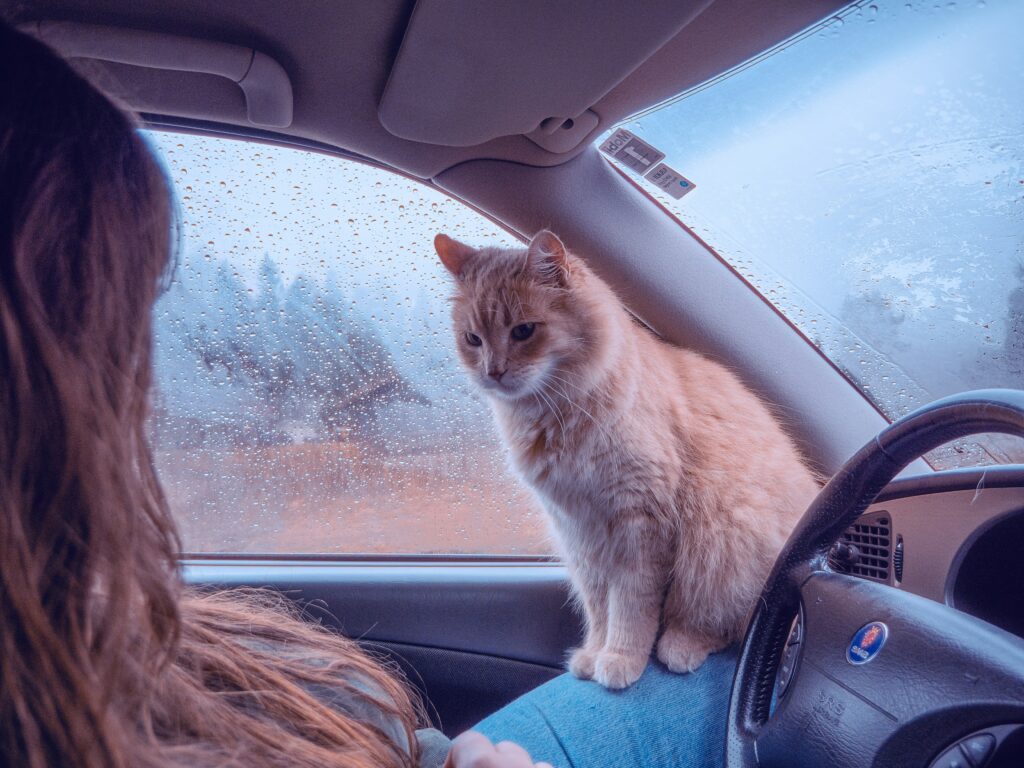
Letting your pet roam free in the car might feel harmless until it’s not. In a sudden stop or crash, an unrestrained animal turns into a projectile. Even a 10 pound dog can cause serious injury to itself or others if airborne at 60 mph. And while the idea of a furry co pilot riding shotgun might seem cute, it’s also risky. Pets climbing into laps, pawing at controls, or blocking your view can be major distractions.
Some states have started cracking down. Laws now require pets to be restrained during vehicle travel in places like Hawaii, New Jersey, and Rhode Island. Even where it’s not mandated, drivers distracted by pets can still be fined under general distracted driving laws. Point is: the rules are catching up, and the stakes are already high.
Keeping your pet secure isn’t just about obeying the law it’s about preventing harm before it happens.
Carrier vs. Harness: What Works Best
Not all pets or cars are built the same. Choosing between a crash tested carrier and a harness comes down to size, behavior, and vehicle type.
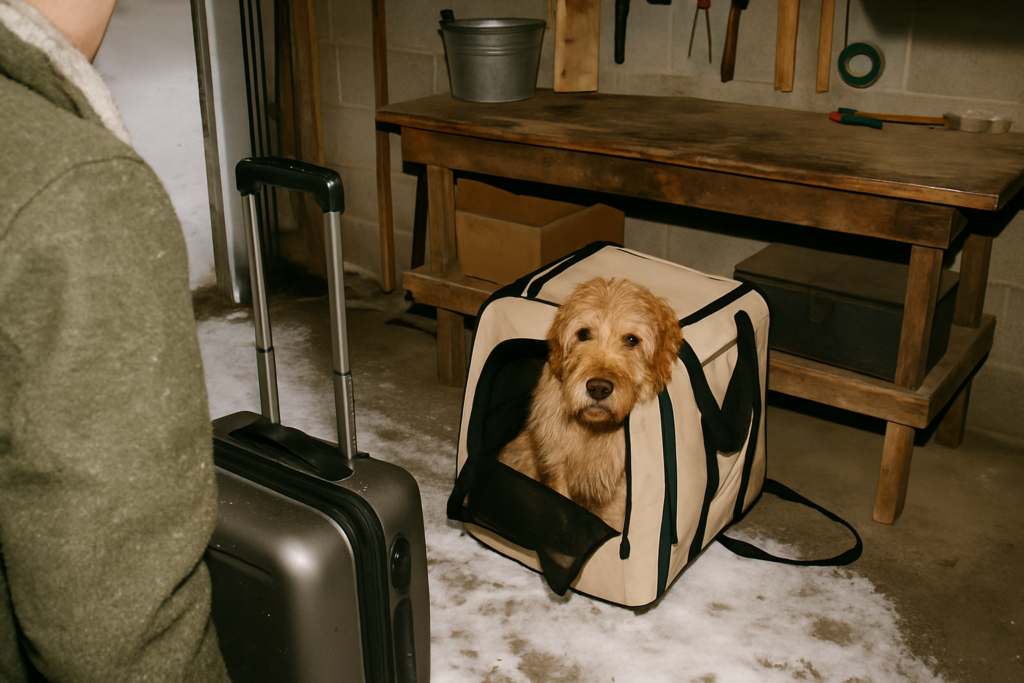
Crash tested carriers are the go to for small dogs and cats. They provide a hard shell of protection in the event of an accident and help prevent injury by containing sudden movement. Look for carriers that meet third party crash safety standards. Soft sided totes or bags won’t cut it not when safety is on the line. These carriers should be secured in the back seat using the seatbelt, threading it through the designated anchors or loops. Some models come with their own internal latching system for added grip.
For medium to large dogs, a crash tested harness is usually the better bet. Key things to look for: wide chest plates to distribute force, metal hardware rather than plastic, and certification from safety testing organizations. Avoid harnesses made just for walking those won’t hold up in a crash. Install it by threading the vehicle’s seatbelt through the built in loops on the harness, ideally securing your pet in an upright seated position in the back seat. The leash stays off during the ride.
Whichever setup you go with, installation matters. Follow the manufacturer’s instructions closely. A poorly fastened carrier or a loose harness is almost as bad as having no restraint at all.
Back Seat Only Here’s Why

Front seats are designed for humans and even then, airbags can be dangerous. For pets, it’s worse. When an airbag deploys, it does so with force meant to protect the average adult. A small or even medium sized pet in the front seat risks serious injury or death if that airbag goes off. It’s a no go.
The back seat is safer, period. It positions your pet away from the dashboard, airbags, and general front cabin chaos. But just tossing them back there isn’t enough how you secure them matters. Use seatbelt anchors or your vehicle’s LATCH (Lower Anchors and Tethers for Children) system. These anchors, originally designed for infant car seats, work with compatible pet harnesses and carriers.
Make sure any harness or carrier you use is crash tested and fits snugly. Loop the seatbelt through a carrier as shown in the manual, or clip a harness into the LATCH connectors to prevent your pet from flying forward in a crash. Bottom line: the back seat, properly outfitted, is the only smart option.
Gear That Actually Keeps Your Pets Safe
Not all pet travel gear is created equal and when it comes to safety in a moving car, flashy designs or promises on the box aren’t enough. What you want is gear that’s been crash tested under real conditions by a third party. Look for certifications from organizations like the Center for Pet Safety. These tests simulate actual accidents and verify that the product holds up when it truly matters.
When choosing a crash tested pet seat or harness, opt for those with strong metal hardware, padded chest protection, and adjustable buckles for a snug fit. Many good harnesses also double as walking gear, saving space and hassle. For seats, look for ones that anchor into the vehicle’s seatbelt system and keep your pet contained not ones that perch them above the seat or allow too much leeway.
Avoid DIY fixes. Tying a leash to a seatbelt might seem clever, but it offers almost no protection in a crash and can even cause injury. Free roaming pets may seem calm until a sudden stop turns them into a dangerous projectile.
Some vetted products worth checking out: Sleepypod’s Clickit Sport harness, Gunner G1 Kennels (for larger dogs), and the Away Pet Carrier (crash tested and airline approved for smaller pets). These aren’t budget picks, but they’re built to protect not just restrain.
Bottom line: If it hasn’t been tested for impact, it’s not built for travel safety.
Travel Smarter: Small Habits That Make a Big Difference
Even with the best gear, your pet’s safety during car rides depends on the small habits you build into each trip. These everyday precautions reduce stress, prevent accidents, and set the tone for safer travel.
Before You Drive: Potty Breaks and Feeding
A calm pet is a safer pet. Proper preparation before departure can reduce anxiety and minimize messes on the road.
Take a bathroom break: Ensure your pet relieves themselves right before the trip to prevent discomfort or accidents.
Avoid feeding immediately before travel: A light meal an hour or more before the ride reduces the risk of car sickness.
Pack some treats for positive reinforcement but avoid overfeeding during motion.
In Transit: Comfort and Safety Must Coexist
Once on the road, your pet’s environment matters as much as their restraint. Ensure they stay cool, comfortable, and contained.
Ventilation is key: Make sure vents are open near their travel space or use a car safe fan. Never direct strong airflow straight at your pet.
Hydration on the go: Bring a spill proof water bowl and offer water at rest stops, especially during long rides.
Watch the windows: Don’t let pets hang out of open windows this can lead to injury from debris or sudden stops. Cracked windows are safer, and secured window screens can help.
The Hard Rule: Never Leave Pets Alone in a Parked Car
Leaving pets in a car even for a short time can be deadly. Temperatures inside vehicles rise rapidly, even on mild days, creating a dangerous environment in minutes.
Skip quick stops if you can’t bring your pet in.
Plan ahead with pet friendly destinations.
Use a buddy system when possible so one person can stay with the pet.
These small, daily habits may seem simple, but they’re essential for your pet’s well being and your peace of mind on every trip.
Extra Tips for Longer Trips
Long drives with pets aren’t just long they can be unpredictable. The key is managing stress, for both of you.
Start by helping your pet settle before you even leave the driveway. Bring familiar items like a favorite blanket or toy. Keep the car cabin quiet, cool, and free of loud music or strong air fresheners. If your pet struggles with motion anxiety, talk to your vet ahead of time there are meds and natural supplements that can help take the edge off.
For rest stops, plan ahead. Every few hours, find a safe, shaded spot where your pet can stretch, hydrate, and relieve themselves. Highway gas stations and rest areas aren’t always set up for animals, so use pet friendly travel apps to scout options. If your trip spans more than a day, book overnight stays at pet welcoming hotels ahead of time. Don’t assume you’ll find a room last minute.
Finally, pack like a professional. Bring a travel bag dedicated to your pet. Must haves: collapsible bowls, bottled water, food, leash, waste bags, current ID tags, vaccination records, and any meds. It’s easy to forget these when you’re focused on your own gear, but they matter just as much.
A calm, prepped pet makes for a way smoother trip. And let’s be honest less backseat drama helps everyone stay sane on the road.
For more in depth advice and real world fixes, don’t miss our full guide on pet car safety tips. From gear that actually works to habits that prevent mishaps, it covers what you need to know before hitting the road. Whether it’s a quick trip to the vet or a weekend away, locking in your pet’s safety isn’t optional it’s the key to stress free travel for both of you.
 Lead Pet Behavior Specialist
Brian Camacho is an expert in pet behavior and training at Pet Paw Shack. With a deep understanding of animal psychology, he specializes in helping pets and their owners build strong, healthy relationships through positive reinforcement techniques. Brian’s innovative approach to training focuses on making behavior modification a fun and rewarding experience for both pets and their families.
Lead Pet Behavior Specialist
Brian Camacho is an expert in pet behavior and training at Pet Paw Shack. With a deep understanding of animal psychology, he specializes in helping pets and their owners build strong, healthy relationships through positive reinforcement techniques. Brian’s innovative approach to training focuses on making behavior modification a fun and rewarding experience for both pets and their families.