
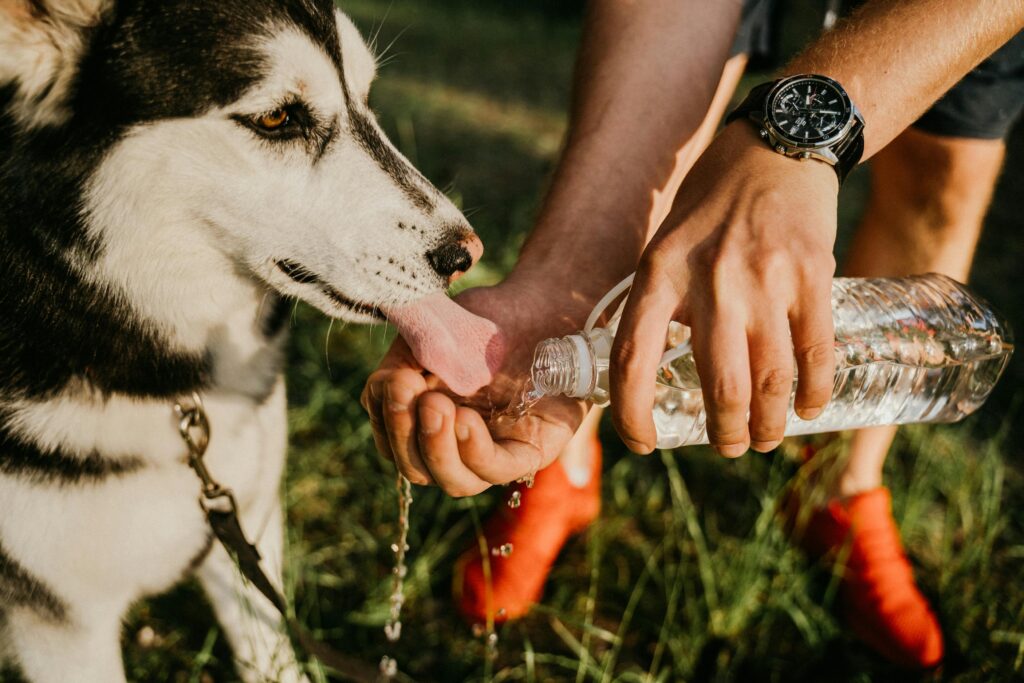
Most Americans assume that if water is safe for people, it must be safe for dogs and cats. Unfortunately, this is not always the case. Pets can be more sensitive to certain chemicals, metals, and microbial contaminants found in household tap water. Their smaller body weight, faster metabolism, and frequent consumption of the same water source every day can increase their risk of chronic exposure.
To understand the hidden dangers in tap water and how they can affect our pets, it helps to turn to experts with deep experience in water quality research.
As Dr. Jonathan Doyle notes, “Regulatory limits are designed for humans, not pets. Dogs and cats have different thresholds of tolerance, and long-term low-level exposure can be more impactful than many people realize.”
What Contaminants in Tap Water Can Harm Dogs and Cats?
1. Chlorine and Chloramine
Municipal water systems often use chlorine or chloramine (a chlorine-ammonia compound) to disinfect water. While considered safe for human consumption, these chemicals can irritate pets’ digestive systems and may contribute to dehydration in sensitive animals. Some pet owners report improved hydration and fewer digestive issues when they switch to filtered water.
2. Heavy Metals (Lead, Copper, Arsenic)
Heavy metals pose one of the greatest risks to dogs and cats. Aging pipes in American cities may leach lead or copper into household tap water. Unlike humans, pets drink from the same bowl multiple times a day, leading to cumulative exposure.
Excess copper can cause liver damage in dogs. Lead exposure, even at low levels, may affect neurological development in both dogs and cats.
Dr. Doyle’s laboratory has analyzed thousands of household water samples. According to his testing data, “We routinely find elevated copper and lead levels in homes with older plumbing, even when the water utility shows compliant results at the treatment plant.”
3. Fluoride
While fluoride is added to municipal water to support dental health in people, dogs and cats do not receive the same benefit. In fact, excessive fluoride consumption can contribute to joint issues, weakened bones, and dental enamel problems in pets.
4. PFAS (Forever Chemicals)
Per- and polyfluoroalkyl substances, better known as PFAS, are synthetic chemicals found in everything from firefighting foam to nonstick cookware. These chemicals persist indefinitely in the environment.
Studies continue to document possible links between PFAS exposure and:
- Hormone disruption
- Immune suppression
- Liver damage
Because pets weigh less and drink proportionally more water than humans, PFAS exposure may impact them more intensely.
5. Pesticide and Herbicide Residue
Agricultural runoff can introduce trace amounts of crop chemicals into municipal water. Dogs and cats are not equipped to metabolize many of these compounds efficiently, making chronic exposure more concerning.
6. Microbial Contaminants
Even treated water can occasionally carry bacteria or parasites if municipal disinfection systems fail or if water mains break. Pets may develop diarrhea or vomiting after exposure to these pathogens.
Can Tap Water Cause Health Symptoms in Dogs and Cats?
Certain health issues seen in household pets may relate to poor water quality. Although symptoms can mimic many other conditions, the following issues are commonly cited by veterinarians as possible indicators of contaminant exposure:
- Reduced appetite
- Vomiting or diarrhea
- Skin irritation or itching
- Lethargy
- Excessive thirst or reduced hydration
- Chronic urinary problems
If several pets in the home experience any of these symptoms at the same time, water contamination should be considered as a possible contributing factor.
Should Dogs and Cats Drink Filtered Water?
The Benefits of Providing Filtered Water
Filtering drinking water can significantly reduce the levels of chlorine, heavy metals, PFAS, and other contaminants that may impact pets over time. Many veterinarians recommend filtered water for animals with:
- Kidney disease
- Liver problems
- Digestive sensitivities
- Allergies
- Weak immune systems
Even healthy pets can benefit from consistent access to cleaner water, especially in areas with older infrastructure or frequent water quality advisories.
How to Choose a Water Filter That Helps Protect Pets
When selecting a water filter, it helps to choose a system designed to reduce the contaminants most relevant to pet health.
Not all filters perform equally. A high-quality water system should have test data demonstrating reduction of metals, disinfection chemicals, and emerging contaminants such as PFAS.
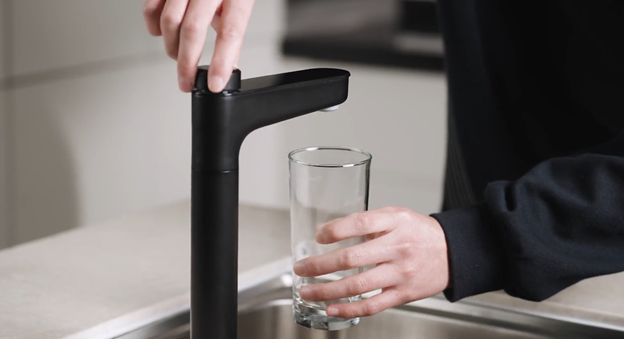
Many American pet owners look for reputable brands with strong filtration performance. Systems like Waterdrop X16 Undersink Reverse Osmosis System. Why choose it:
- 1600 GPD Rapid Flow: delivering fast hydration for your whole family.
- 11-Stage RO Filtration: remove TDS, PFOA, PFOS, chlorine, fluoride, arsenic, lead, and more
- Healthy Alkaline Minerals: Infuses essential minerals like Ca and Mg, adjusting pH to 7.5± for better health
- Smart & Elegant Design: Digital faucet shows water output, TDS, and filter life.
- Eco-Friendly: Efficient 3:1 pure-to-drain ratio saves water and long-lasting 24-month filter
Are Certain Pets More Vulnerable to Water Contaminants?
Puppies and Kittens
Young animals have developing organs and weaker immune systems. Even low-level contaminants can have greater long-term consequences.
Senior Pets
Older dogs and cats often have reduced kidney or liver function, making them more susceptible to toxins.
Small Breed Dogs and Cats
Small animals consume water proportional to their size, increasing their relative exposure to chemicals.
Pets With Chronic Illness
Animals with immune disorders, allergies, or digestive sensitivity may react more strongly to even minor contaminants.
How Can Pet Owners Reduce Water-Related Risks?
1. Use a Certified Water Filter
Choose a filtration system capable of removing chlorine, metals, PFAS, and organic contaminants. Point-of-use systems—such as under-sink filters or countertop systems—are often the most effective.
2. Replace Filters on Time
Expired filters may release trapped contaminants or grow bacteria. Always replace filters according to the manufacturer’s schedule.
3. Clean Water Bowls Daily
Biofilm forms quickly on pet bowls. Daily cleaning prevents bacterial overgrowth.
4. Avoid Plastic Bowls
Stainless steel or ceramic bowls reduce chemical leaching and are easier to sanitize.
5. Test Household Water Periodically
Working with an independent certified lab, such as Dr. Doyle’s Texas-based facility, can help homeowners understand exactly what is in their water.
6. Provide Fresh Water Multiple Times a Day
Pets drink more when water is clean and fresh, improving hydration and overall health.
Conclusion: Clean Water Is a Foundation of Pet Wellness
Dogs and cats depend on us to provide not just food and shelter, but safe, consistent access to clean drinking water. Hidden contaminants in municipal tap water can pose long-term risks, especially for pets with developing or aging organs.
Filtering drinking water is a simple, effective step for American pet owners. By using a high-quality filtration system—such as Waterdrop filters—and staying informed with expert insights from specialists like Dr. Jonathan Doyle, families can significantly reduce their pets’ exposure to harmful substances.
Cleaner water leads to better hydration, improved digestion, and stronger long-term wellness for the pets who share our homes.
 Veterinary Advisor & Health Expert
Anthony Brooks is the in-house Veterinary Advisor at Pet Paw Shack, offering expert advice on pet health, disease prevention, and general veterinary care. With years of experience as a licensed veterinarian, Anthony helps guide pet owners through essential topics like vaccinations, routine checkups, and emergency care. His commitment to keeping pets healthy ensures that Pet Paw Shack delivers trusted and accurate medical insights.
Veterinary Advisor & Health Expert
Anthony Brooks is the in-house Veterinary Advisor at Pet Paw Shack, offering expert advice on pet health, disease prevention, and general veterinary care. With years of experience as a licensed veterinarian, Anthony helps guide pet owners through essential topics like vaccinations, routine checkups, and emergency care. His commitment to keeping pets healthy ensures that Pet Paw Shack delivers trusted and accurate medical insights.